Duolingo Killed Its Mascot. The Internet Lost Its Mind.
How Duolingo engineered a cultural moment, and what brands can learn from their unhinged playbook
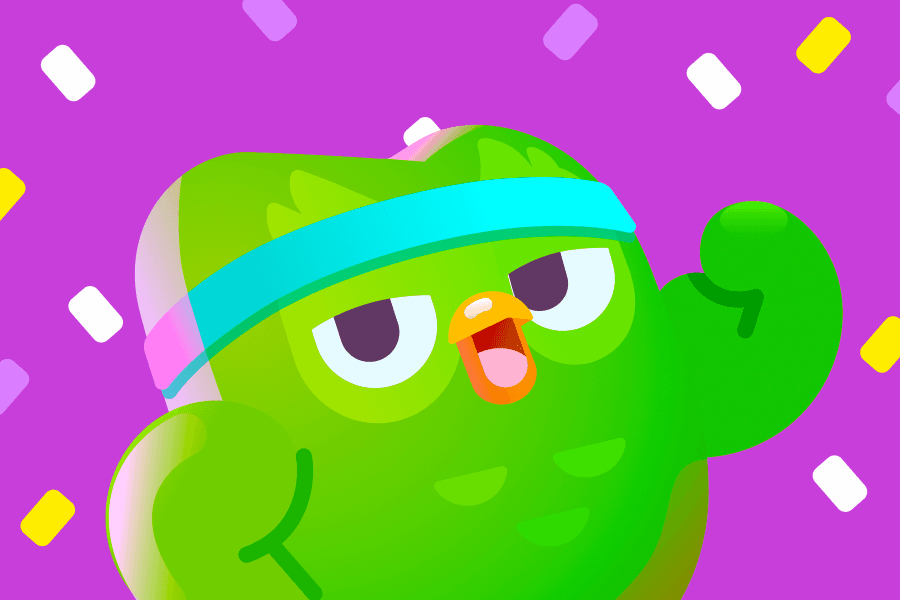
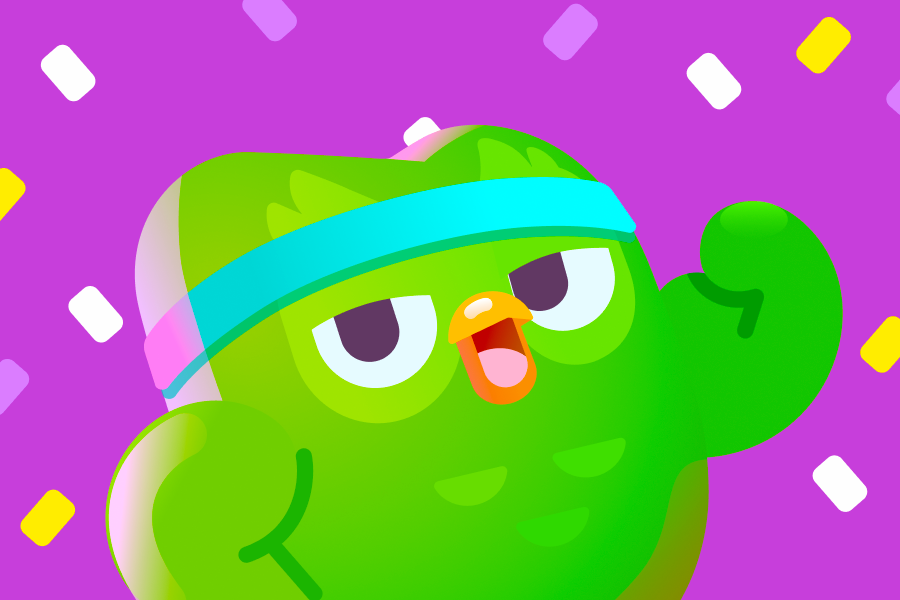
In February 2025, Duolingo announced that Duo the Owl, the green mascot that had become one of the most recognisable brand characters on the internet, was dead. The announcement was delivered with full theatrical commitment: a funeral, a eulogy, a dramatic social media campaign. The internet, predictably, lost its mind.
Within 48 hours, "Duo" was trending globally. Media coverage was wall-to-wall. Duolingo's social accounts were flooded with condolences, conspiracy theories, and memes. It was, by any measure, a spectacular piece of brand theatre.
And it was entirely deliberate.
The Architecture of 'Unhinged'
Zaria Parvez, Duolingo's senior global social media manager, has been candid about the strategy. The brand's social presence is built on five pillars: Duo the Owl personification, trend-jacking, relevant collaborations, genuine audience engagement, and short-form video. None of this is accidental.
The "unhinged" quality that Duolingo's content is known for, the memes, the self-aware humour, the willingness to make Duo the villain of his own story, is the result of deliberate creative decisions, not spontaneous chaos. The turnaround time for content is approximately one week. The brand maintains a posting cadence of 3-5 times weekly on its main social channels. Every piece of content is considered.
What makes it feel unhinged is the commitment. Most brands hedge. They add disclaimers. They soften the joke. Duolingo commits fully to the bit, and that commitment is what makes the content feel genuine rather than calculated.
The Numbers Behind the Persona
The results of this strategy are not ambiguous. Duolingo grew from 50,000 to 16 million TikTok followers in four years. Monthly active users grew from 40.5 million in 2021 to 116.7 million. Quarterly billings hit $192.6 million, representing 40% year-over-year growth.
These are not the numbers of a brand that got lucky with a few viral posts. This is a sustained, compounding effect of a consistently executed brand strategy. The persona drives awareness. The awareness drives downloads. The downloads drive revenue.
The Trend-Jacking Machine
One of Duolingo's most distinctive capabilities is speed. When a cultural moment happens, whether a celebrity feud, a viral meme, or a breaking news story, Duolingo's team can respond within hours with content that's genuinely funny rather than awkwardly opportunistic.
This requires two things that most brands don't have: genuine creative autonomy at the social media level, and a brand voice clear enough that the team knows instinctively what Duolingo would and wouldn't do.
The brand has recreated celebrity feuds using Google Translate. It has partnered with Netflix to align with cultural moments. It has made Duo the Owl the villain, the victim, the hero, and the punchline, sometimes in the same week. The consistency isn't in the content. It's in the character.
What Most Brands Get Wrong About This
The temptation, when looking at Duolingo's success, is to conclude that the lesson is "be funny on social media." It isn't. The lesson is more specific and more demanding.
Duolingo's strategy works because it's authentic to the brand's actual personality and values. Duolingo is a language learning app. Language is playful. Communication is human. The mascot is inherently a bit absurd. The "unhinged" persona fits.
A financial services brand attempting the same approach would likely produce content that feels jarring and off-brand. The persona has to emerge from something real about the brand: its values, its audience, its category. You can't bolt on a personality.
Speed and commitment. That's the formula. Most brands can't manage either.