The Ads That Won Cannes 2024. And Why They Deserved It.
DoorDash hijacked every Super Bowl ad at once. WhatsApp made a 26-minute film. Spotify turned a spreadsheet into a music video.
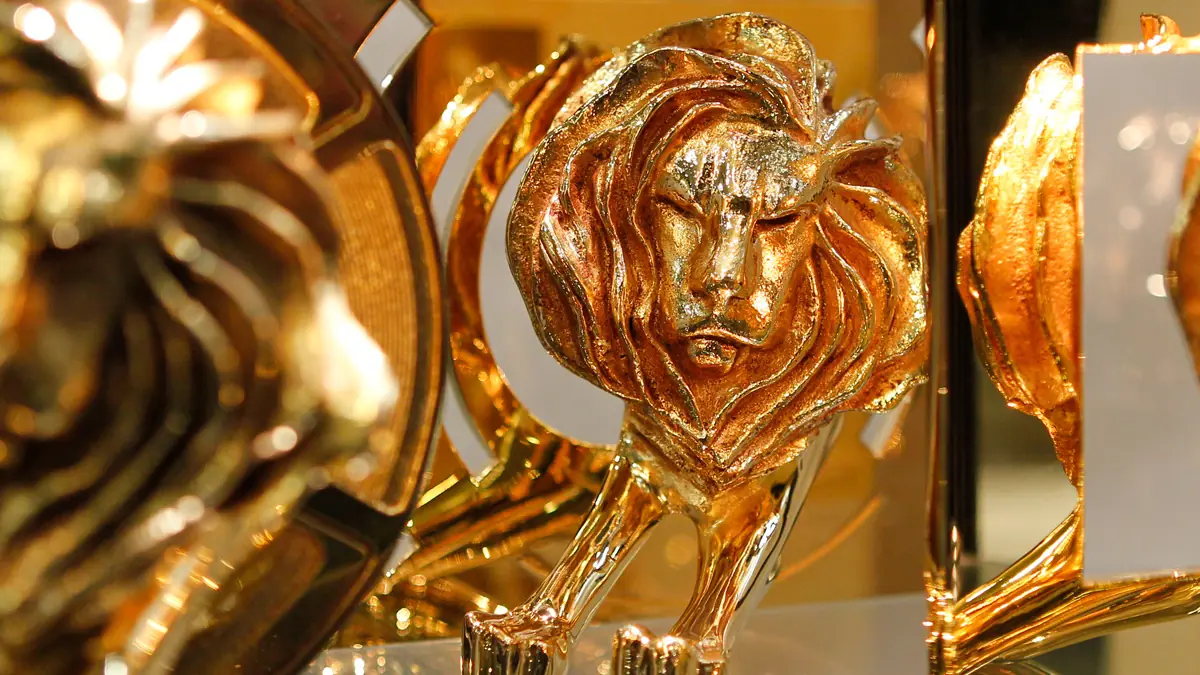
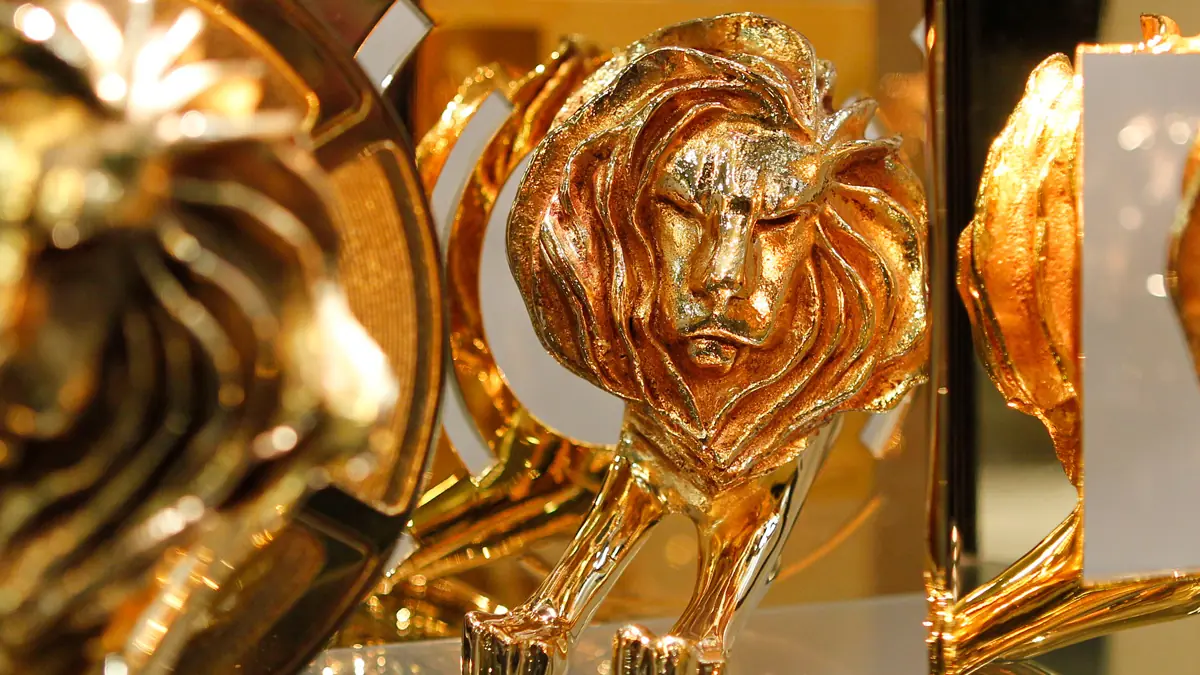
Every June, the advertising industry descends on the French Riviera to celebrate the best creative work of the past year. Cannes Lions is the industry's most prestigious awards show. The 2024 winners were a masterclass in what happens when brands stop trying to be clever and start trying to be genuinely useful, entertaining, or moving.
Here are the campaigns that mattered most, and what they tell us about where creative work is going.
DoorDash Hijacked Every Super Bowl Ad at Once
The Titanium Grand Prix, the highest honour at Cannes, went to Wieden & Kennedy Portland and DoorDash's creative studio Superette for "DoorDash All the Ads."
The concept was audacious: DoorDash ran a Super Bowl ad offering viewers a chance to win every single product featured in every other Super Bowl ad that year. To enter, viewers had to type out an absurdly long promo code that scrolled across the screen during the ad.
It was a masterclass in brand thinking. DoorDash positioned itself not as a competitor to the other advertisers but as the platform through which you could get everything they were selling. The execution was playful and self-aware. The earned media was enormous. And it demonstrated something important: the best creative ideas aren't just clever executions, they're clever strategies.
WhatsApp Made a 26-Minute Film
The Entertainment Grand Prix went to WhatsApp's "We Are Ayenda," a 26-minute film about Afghanistan's Women's Youth National Football Team, created by Creative X and Modern Arts.
This is not a typical brand film. It's a genuine piece of storytelling about real people in a genuinely difficult situation, using WhatsApp as the connective tissue that allowed the team to stay in contact after the Taliban took power. The brand's presence in the story is earned rather than imposed.
The film won because it demonstrated that brand storytelling, at its best, isn't about the brand at all. It's about the people the brand serves and the role it plays in their lives.
Spotify Turned a Spreadsheet Into a Music Video
The Digital Craft Grand Prix went to Spotify's "Spreadbeats" by FCB New York, a campaign that converted a media plan spreadsheet into a music video. The idea was to demonstrate Spotify's advertising capabilities by using the medium itself as the message.
It's a small idea executed with precision. It doesn't try to be more than it is. And it demonstrates something that the best creative work always demonstrates: a deep understanding of the audience and the context.
The Glass Lion: Vaseline for Trans Women
The Glass Lion for Change went to Ogilvy Singapore and Unilever's "Transition body lotion" for Vaseline, a campaign targeting Thailand's trans community with a product specifically formulated for transitioning women's skin needs.
This is purpose-driven marketing done right. The product is real. The need is real. The community is real. The brand's involvement is earned because it's genuinely useful. It's not cause marketing. It's product development that serves an underserved community, communicated with honesty and care.
The Pattern
Looking across the 2024 Grand Prix winners, a pattern emerges. The best work isn't the most technically sophisticated. It's the most conceptually clear. It starts with a genuine insight about the brand, the audience, or the cultural moment, and executes that insight with commitment and craft.
AI can assist with execution. It cannot generate insight. The creative ideas that won Cannes in 2024 came from people who understood something true about the world and found a way to express it. That's not a process that can be automated. It's the thing that makes creative work worth doing.